
Surviving the Wilderness (or: What the Hell Do They Want From Me at the Office?)
Hey friends,
You know that meeting where someone drops a polished piece of business English, everybody nods, and you stare at the wall wondering whether anyone understood it or this is just a game of who blinks first?
This newsletter is for you. Not because you’re not smart, but because tech invented an internal language that sometimes shortens a process and sometimes just wants to sound important.
What do you get out of it? Next time somebody says “let’s do a drill-down,” you’ll not only understand what they want. You’ll know how to answer without breaking a sweat. We’re going through these terms with an old friend: Vault Boy from Fallout. If we’re learning to survive the tech wilderness, we might as well do it with a smile and a survival guide.
Let’s start.
The term: Touch Base
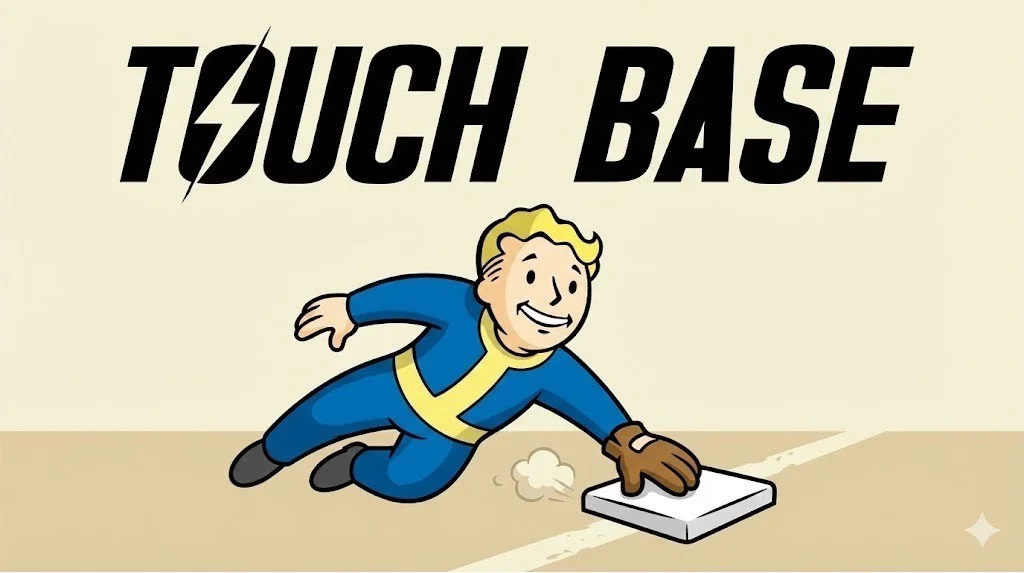
What does it mean? The working world’s way of saying, “I don’t want to bore you for an hour. I just want to make sure we’re heading in the same direction.” Usually a short update to make sure nothing is stuck.
Bottom line: it’s an expectation-alignment tool. If somebody asks to touch base, don’t prepare a deck. Prepare three points: what I did, where I need help, and what is next.
The term: Hit the Ground Running
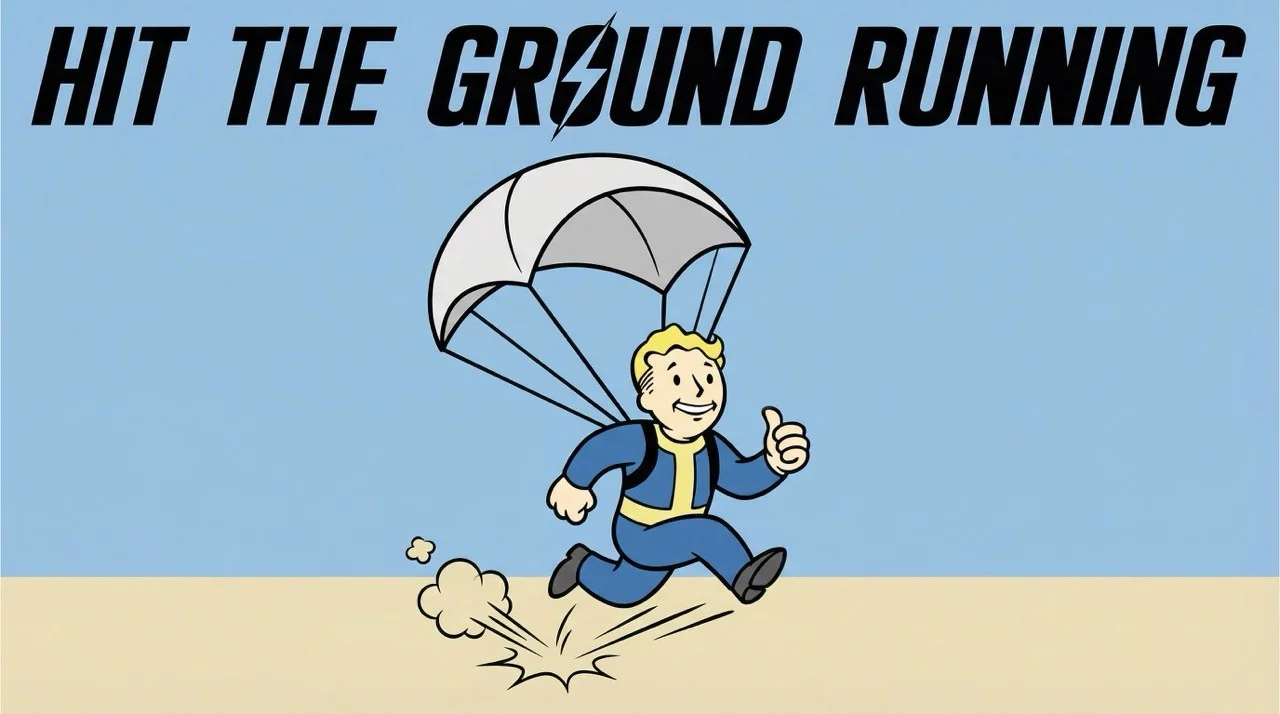
What does it mean? Start a new role or project and produce results from day one, without a long settling-in period.
Bottom line: nobody expects you to be an expert on your first day, but they do expect energy. The best move isn’t to wait for instructions. Start asking questions and doing.
The term: Circle Back
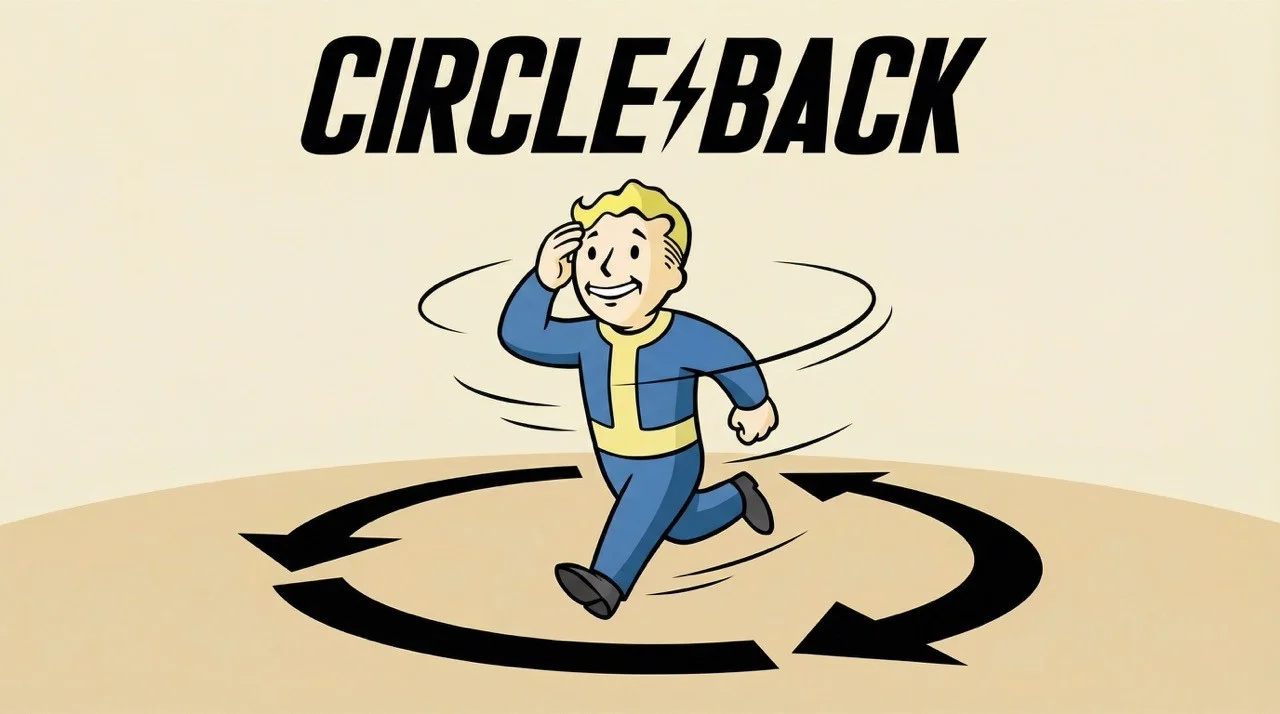
What does it mean? We discussed something in a meeting and didn’t reach a decision, or it simply wasn’t the right time. “Let’s circle back” means we’ll talk about it again later.
Bottom line: don’t let it float in the air forever. If you said you would come back to it, decide when.
The term: 30,000-Foot View

What does it mean? Look at the big picture. Instead of diving into the tiny details of a task, stop for a moment and understand the larger business goal and how it all connects.
Bottom line: every now and then, you need to lift your head from the keyboard. When someone asks for this view, they’re asking you to stop being technical for a moment and think strategically.
The term: Pick Your Brain
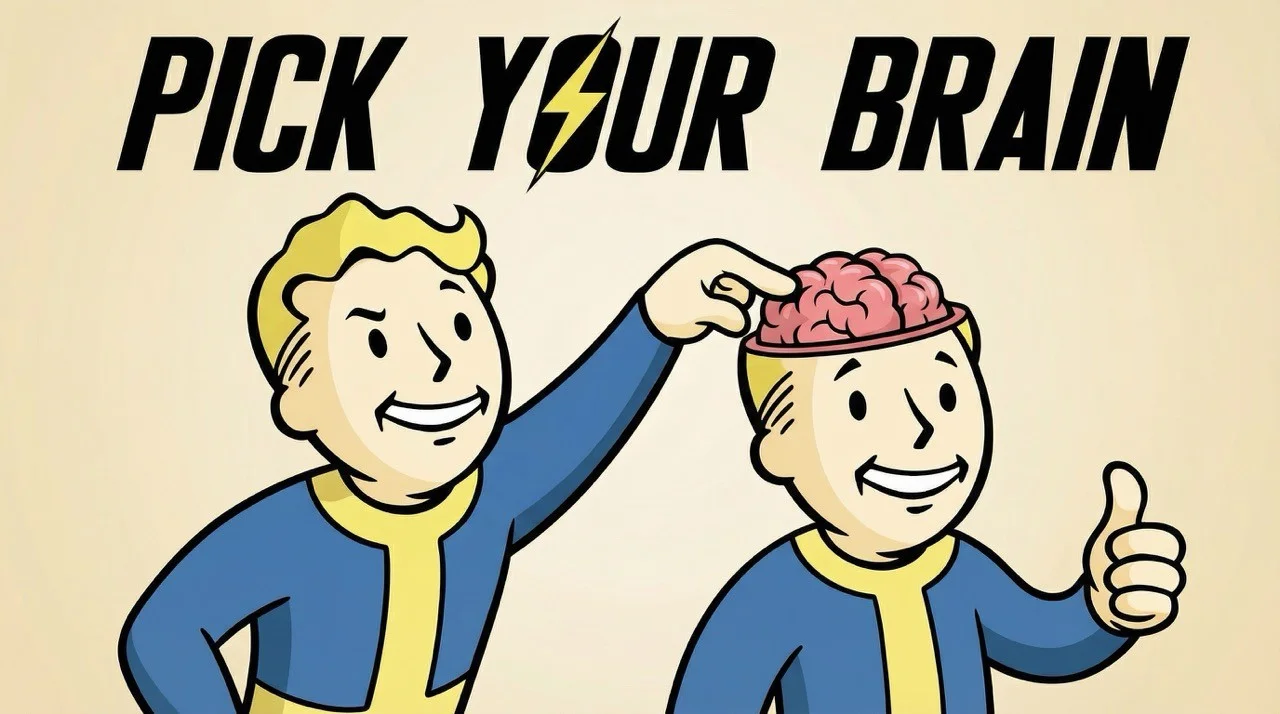
What does it mean? A polite way to ask you to share your knowledge or experience. Somebody is stuck and needs your brain to find a way through the problem.
Bottom line: it’s a compliment. They value your expertise. My tip? Put a short, focused slot on the calendar - 15 minutes - so your whole day doesn’t get swallowed by it.
The term: Wearing Many Hats
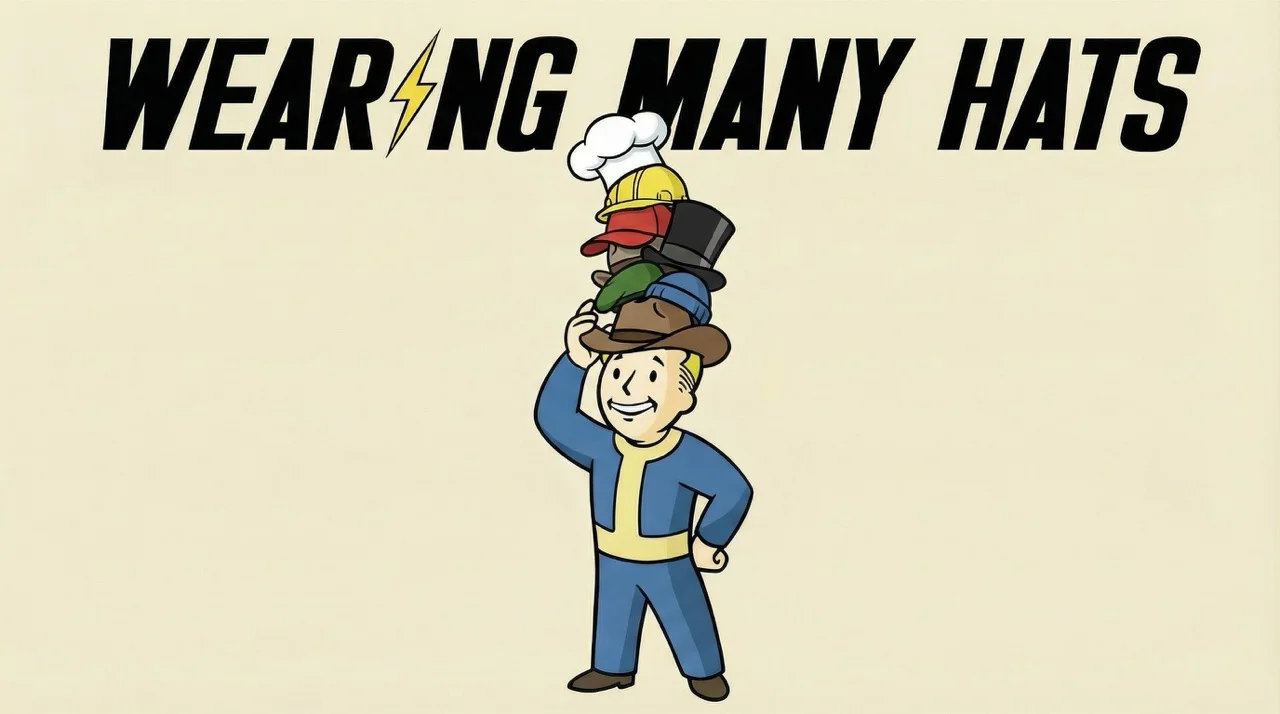
What does it mean? In tech, it’s rare for someone to do only one thing. One day you code, the next you support customers, and the day after you write content. You have a lot of responsibilities running in parallel.
Bottom line: it can be a great place to grow. Just make sure that, among all the hats, you don’t forget which one is your main hat.
The term: Keep the Ball Rolling
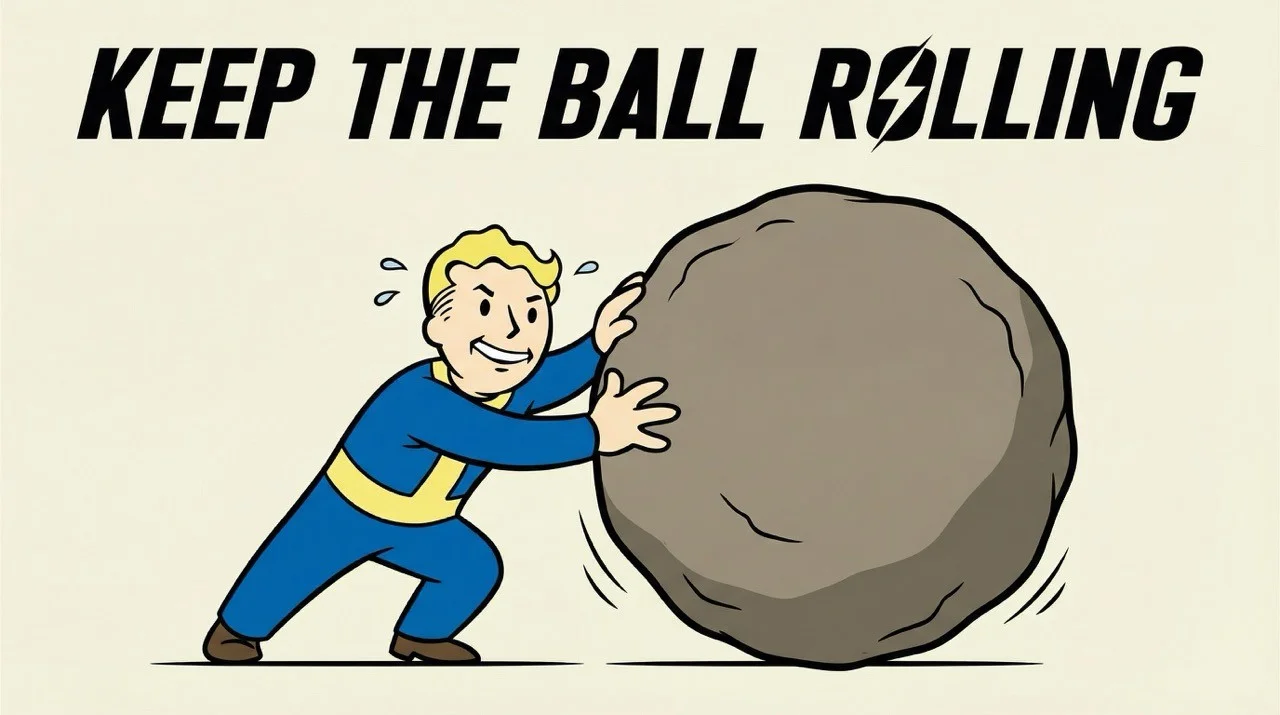
What does it mean? You got a project moving? Great. Now the goal is to make sure it doesn’t stop: keep the momentum and keep the work happening.
Bottom line: it’s much easier to keep something moving than restart it after it stops. Don’t let projects go cold.
The term: Eyes on the Prize
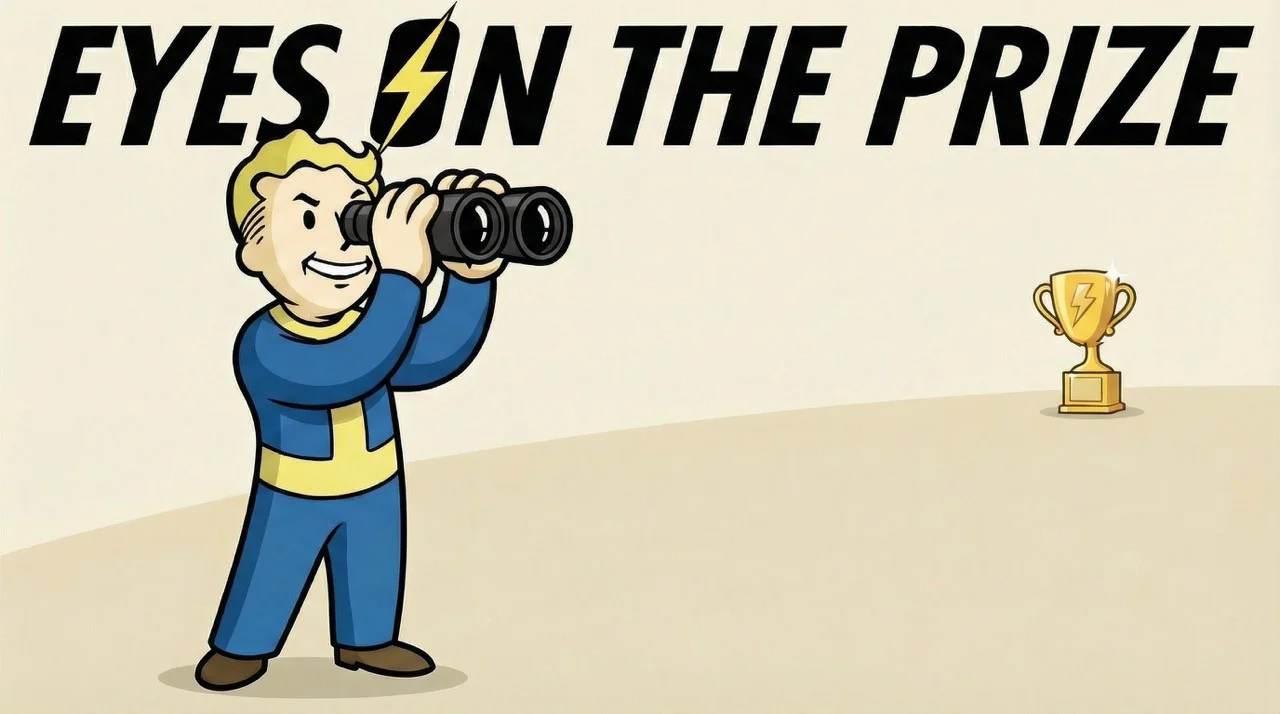
What does it mean? Stay focused on the final goal despite all the noise and distractions. When there are crises along the way, it’s easy to forget why you started.
Bottom line: this is a motivation-management tool. When it gets hard, remind yourself and your team what the prize is: a successful launch, a customer problem solved, something real at the end of the road.
The term: Take It Offline
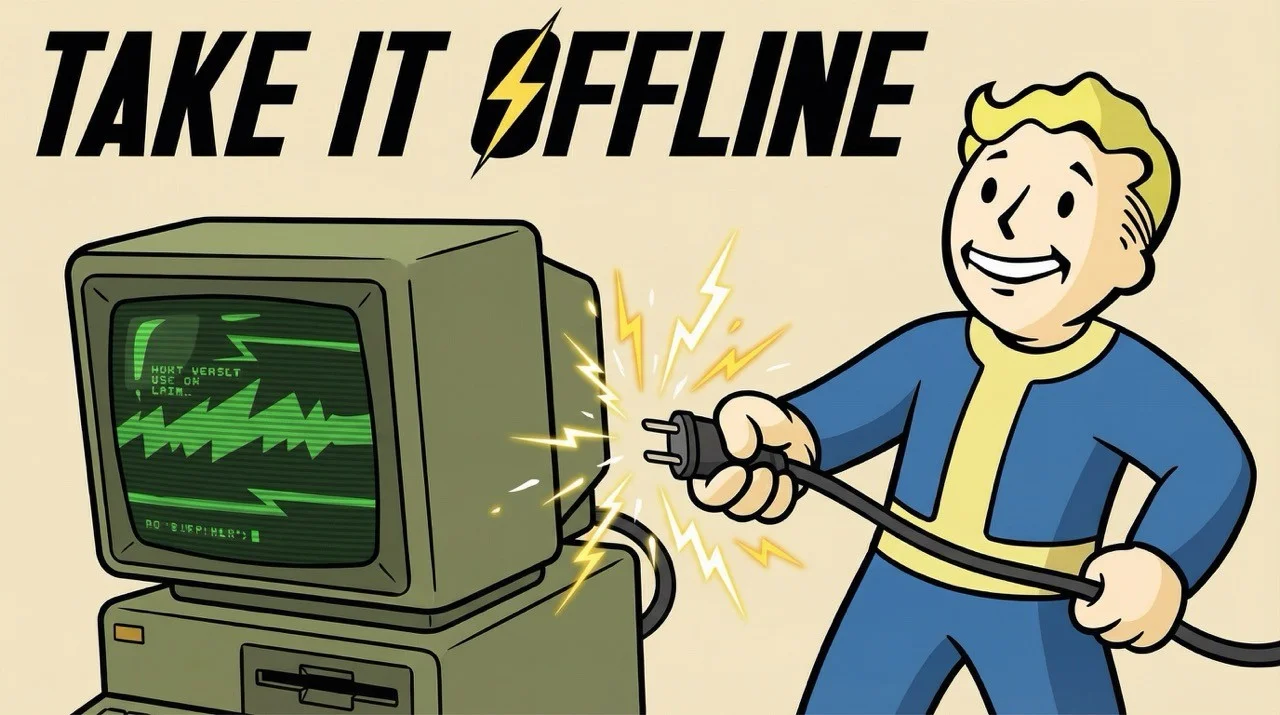
What does it mean? A discussion in a meeting has become too specific for the current room. “Let’s take it offline” means: “This matters, but let’s not use everyone’s time on it right now. Talk it through separately later.”
Bottom line: an excellent time-management tool. Don’t be afraid to suggest taking a subject offline. Everyone in the room will thank you.
The term: All Hands on Deck
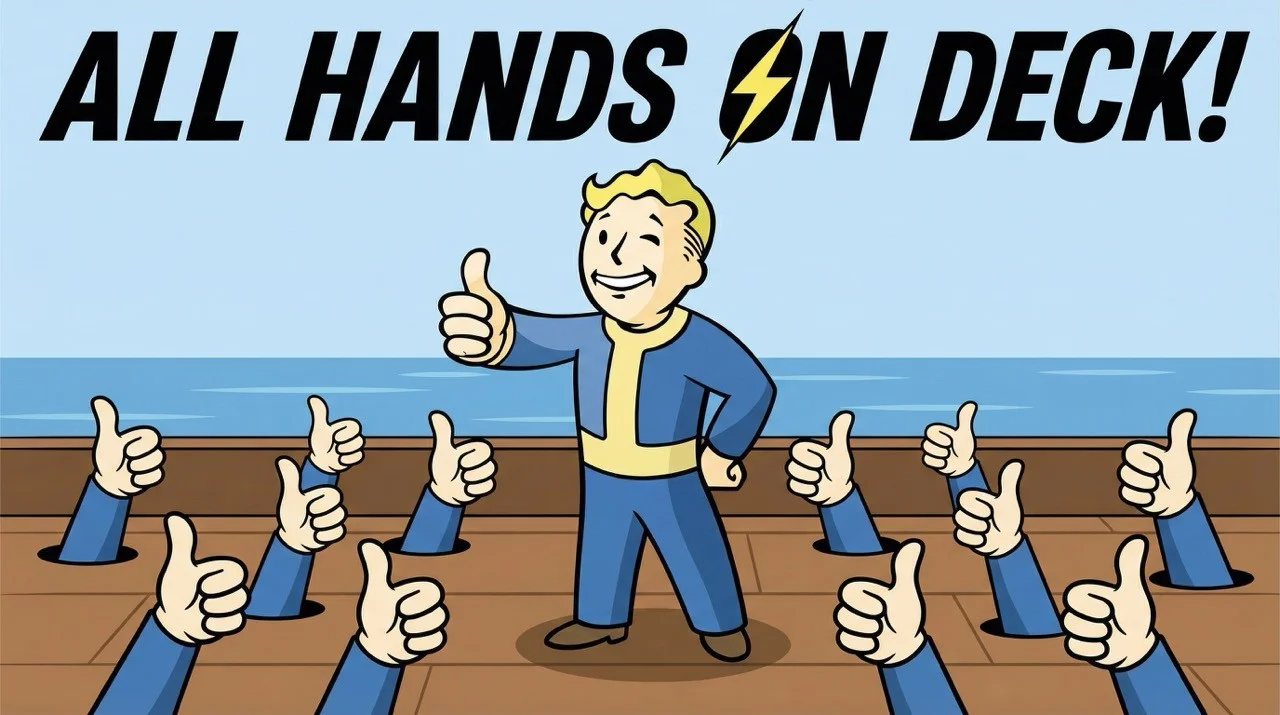
What does it mean? An emergency or urgent task where the whole team drops everything and jumps in. Everyone is on deck to solve the problem quickly.
Bottom line: this is the moment to show team spirit. Don’t wait to be asked for help. Ask, “Where can I give a hand?” That’s where real appreciation gets built.
The term: Move the Needle
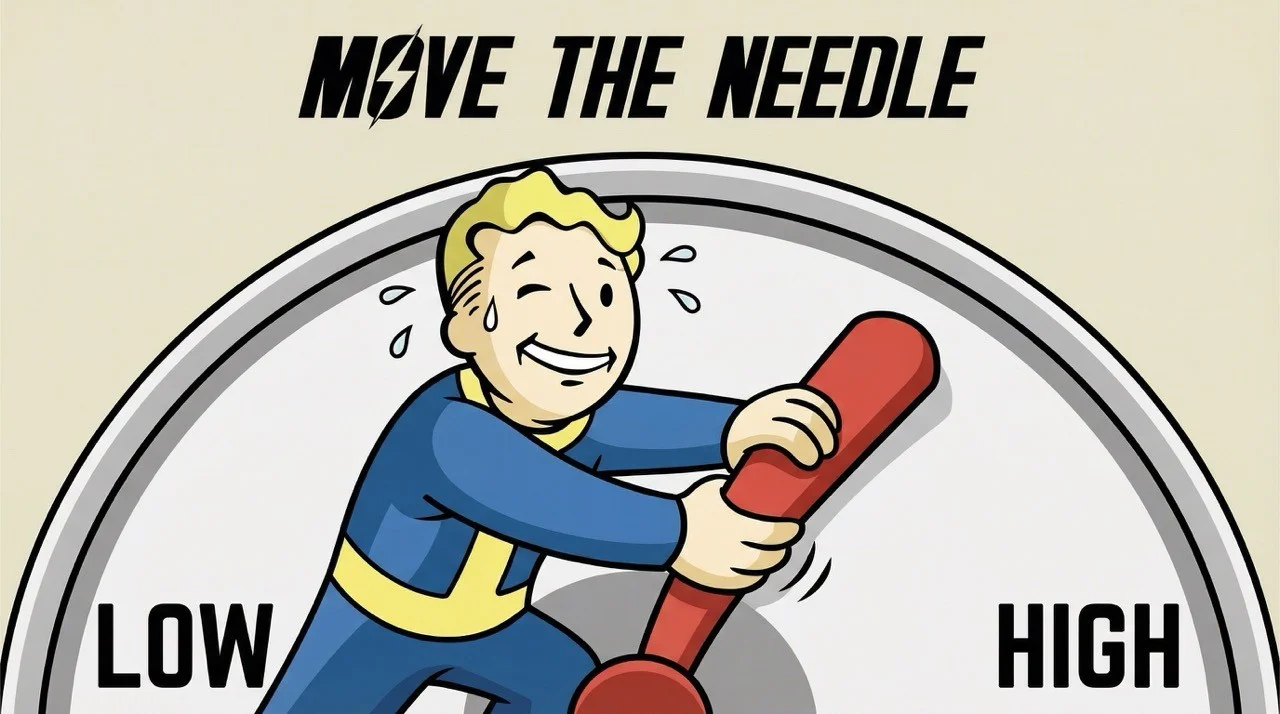
What does it mean? Does what we’re doing actually have impact? Moving the needle means doing the specific thing that causes a meaningful change in the results: more sales, fewer incidents, a better outcome.
Bottom line: before you dive into a task, ask: “Will this move the needle?” If the answer is no, maybe the energy belongs elsewhere.
The term: Drink the Kool-Aid

What does it mean? Commit to the company vision completely and without questioning it. Believe your product is truly the biggest thing in the world.
Bottom line: it can build a strong team, and it’s fine to enjoy the energy. Just keep a little critical thinking on the side. That keeps things balanced.
The term: Throw Under the Bus
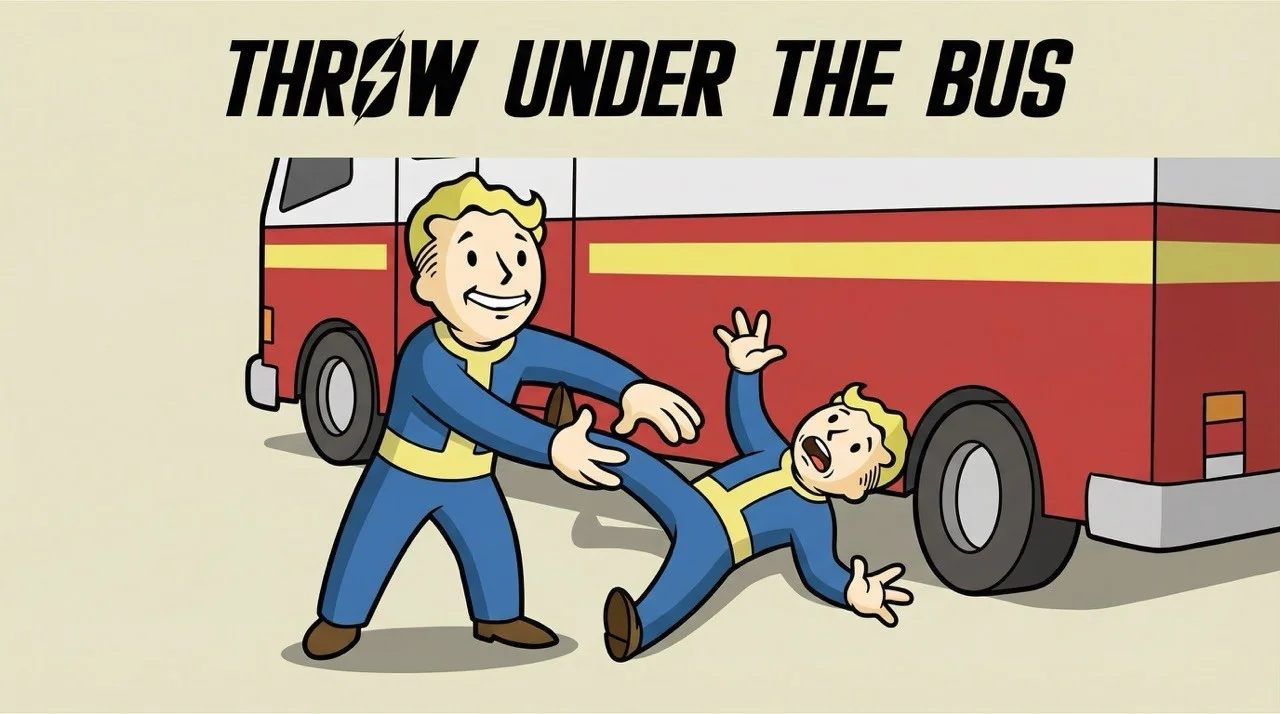
What does it mean? Someone blames you for a mistake to save themselves. Instead of saying, “We got it wrong,” they tell the manager, “It happened because of [your name].”
Bottom line: transparency is your best defense. If you document decisions, it’s harder for anyone to throw you under the bus. And don’t be the person who pushes others there. It always comes back like a boomerang.
The term: The Elephant in the Room
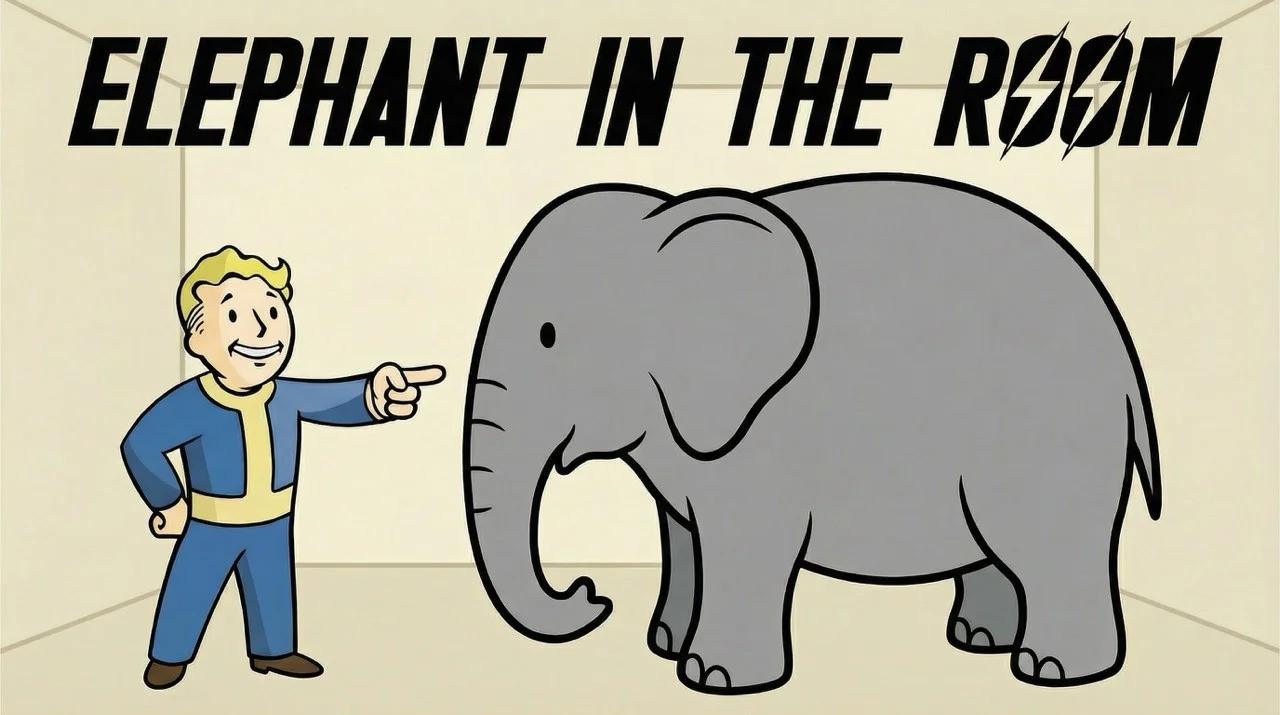
What does it mean? A big, obvious problem that everyone knows about but is afraid to say out loud. Everyone pretends things are fine while the elephant takes up the whole room.
Bottom line: the person brave enough to point at the elephant helps the team actually move forward. It saves weeks of work on problems you cannot solve while pretending they don’t exist.
The term: Put Out Fires
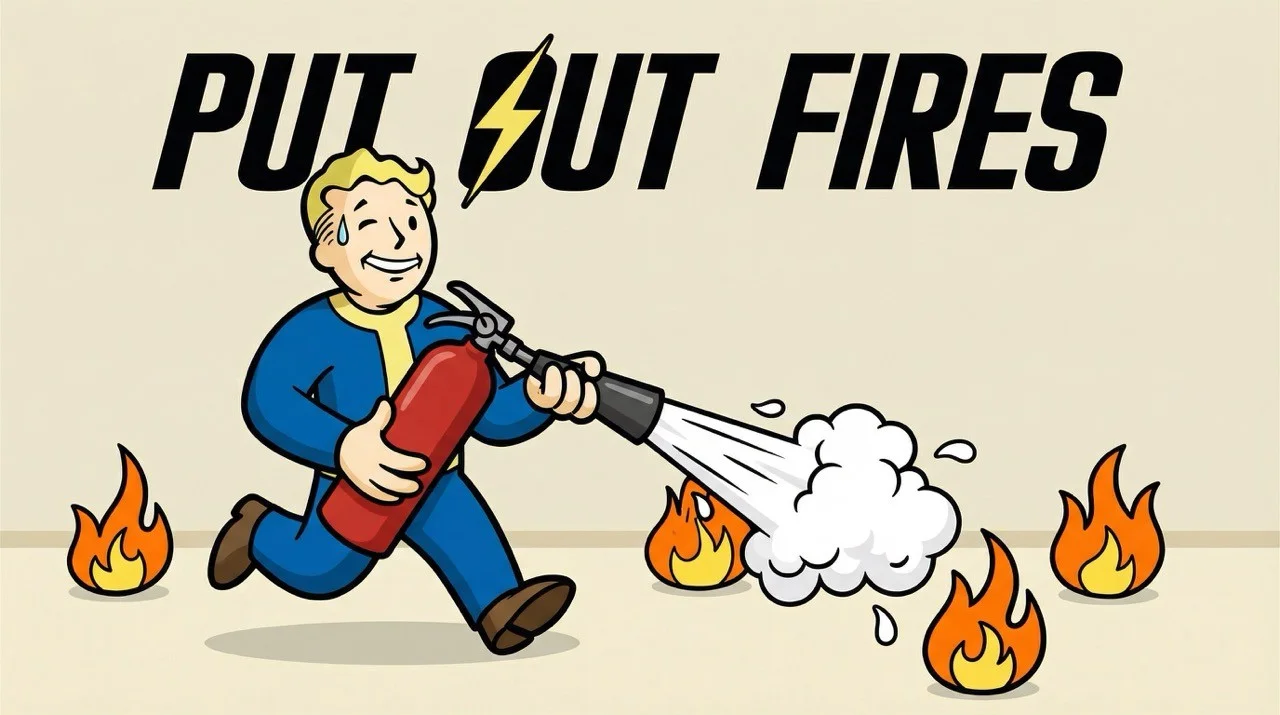
What does it mean? Plans go in the bin because there’s an urgent incident that needs solving now. The server is down? A critical bug? Welcome to the fire department.
Bottom line: it’s part of the game. But if it’s all you do, you’re not building anything new. Work out what causes the fires so you can prevent them in advance.
The term: Push It Over the Finish Line
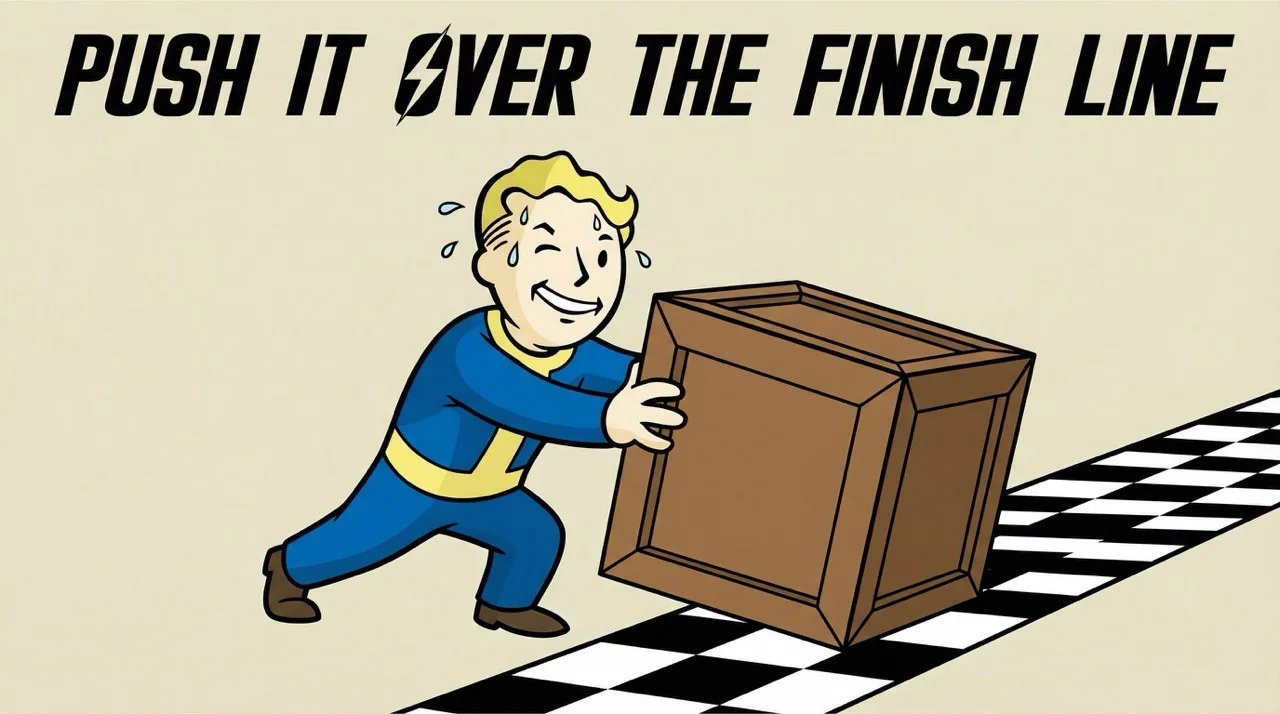
What does it mean? The final focused effort needed to finish a project. Everybody is tired, but the work needs one more push before it’s closed and signed off.
Bottom line: focus on what must work to cross the line. Save the polish and improvements for the next version. The important thing is that it’s done.
The term: Juggling Priorities
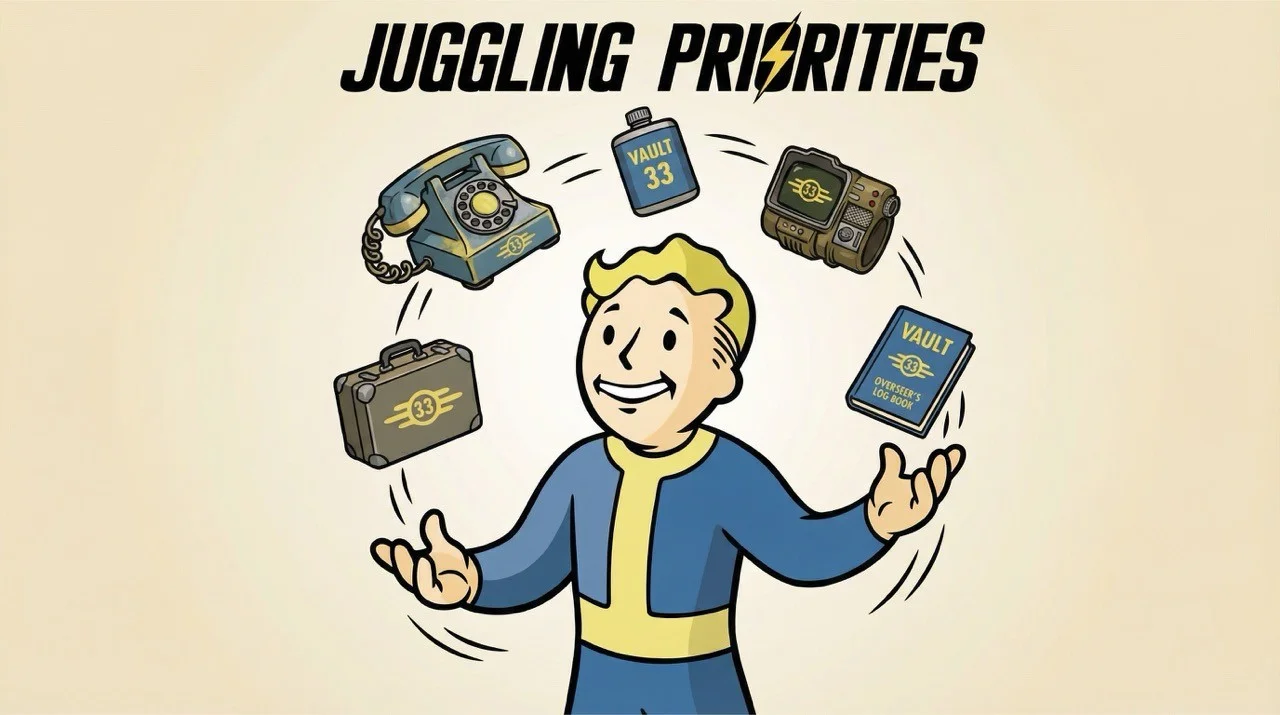
What does it mean? The ability to manage several important tasks at once without dropping any of them. Knowing what is urgent and what can wait a little.
Bottom line: don’t try to do everything at once. Stop, look, and decide what is most urgent today. If there are too many balls in the air, raise it with your manager.
That’s it for this round.
We hope this guide helps you get through the coming week with fewer question marks above your head and more confidence in your new language.
Here is to a week of growth, momentum, and the absolute minimum number of fires,
Shahar and Dotan, Developers Outside the Box ❤️